
Selecting the right heating system is essential for keeping your home comfortable and energy-efficient during winter. With numerous options available, including furnaces, heat pumps, boilers, and more, deciding which one suits your home can feel overwhelming. This guide explains the different types of heating systems, factors to consider, and why choosing the right HVAC partner can make all the difference.
By understanding your home’s needs and comparing heating systems, you can ensure your home stays warm and energy-efficient all winter long.
Glossary of Terms
- Furnace: A heating system that warms air and distributes it through ducts to heat your home.
- Heat Pump: A system that transfers heat from the outside air or ground to warm your home.
- Boiler: A heating system that uses water or steam to heat your home through radiators or underfloor systems.
- AFUE (Annual Fuel Utilization Efficiency): A measure of furnace efficiency that shows how much fuel is converted into heat.
- Ductwork: A system of air ducts used to distribute heated or cooled air throughout your home.
- Radiant Heating: A system that heats floors, walls, or ceilings to provide warmth directly.
- Zoning: Dividing your home into different areas with separate temperature controls to improve efficiency.
- Thermostat: A device used to regulate and maintain the temperature of your heating system.
Types of Heating Systems
Each type of heating system offers unique benefits and challenges, so it’s essential to understand how they work and where they perform best.
1. Furnaces
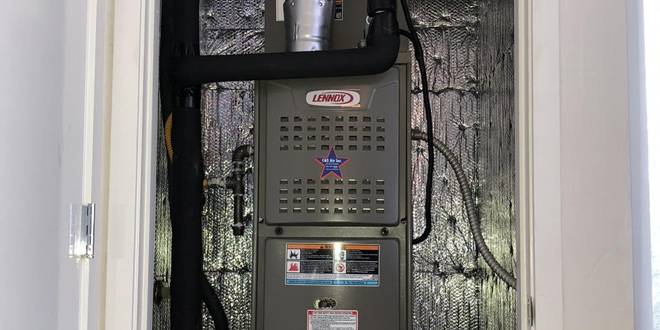
- Overview: Furnaces are one of the most common heating systems, using fuel (natural gas, propane, oil, or electricity) to heat air and distribute it through ductwork.
- Best For: Homes with existing ductwork or larger spaces requiring quick and even heating.
- Pros:
- Efficient with AFUE ratings up to 98%.
- Fast and powerful heating for cold climates.
- Works well with central air conditioning systems.
- Cons:
- Can dry out indoor air.
- Requires regular maintenance and filter changes for optimal efficiency.
2. Heat Pumps
- Overview: Heat pumps transfer heat from outside air or the ground into your home. They can also cool your home in summer, offering year-round comfort.
- Best For: Homes in mild climates where extreme cold is rare.
- Pros:
- Energy-efficient, using electricity instead of burning fuel.
- Environmentally friendly.
- Dual-purpose heating and cooling system.
- Cons:
- May require supplemental heating in colder climates.
- Higher upfront cost compared to some systems.
3. Boilers
- Overview: Boilers heat water or produce steam, which is distributed through radiators, baseboard heaters, or underfloor systems.
- Best For: Older homes, radiant heating, or homes without ductwork.
- Pros:
- Quiet and consistent heating without air circulation.
- Can be used with radiant floor heating for luxurious comfort.
- Cons:
- Slow to heat up.
- Higher upfront installation costs.
4. Radiant Heating
- Overview: Radiant heating is installed under floors or within walls and ceilings, providing warmth directly to surfaces and people in the room.
- Best For: New construction or luxury upgrades.
- Pros:
- Silent operation and highly efficient.
- Provides even heat distribution without drafts.
- Cons:
- Expensive to install.
- Difficult to retrofit into existing homes.
5. Ductless Mini-Splits
- Overview: Ductless mini-splits are compact units installed in individual rooms, offering zoned heating and cooling without ductwork.
- Best For: Homes without existing ducts or rooms requiring separate temperature control.
- Pros:
- Highly energy-efficient.
- Ideal for zoning and reducing energy waste.
- Cons:
- Higher upfront cost for multi-zone setups.
Comparing Heating Systems
🔍 Heating System Comparison Table
| System | Efficiency | Cost to Install | Ideal For | Drawbacks |
| Furnace | 80-98% AFUE | $$ | Homes with ductwork | Can dry out air, regular maintenance required |
| Heat Pump | 200-300% efficient | $$$ | Mild climates, energy-conscious users | Needs backup in very cold weather |
| Boiler | 70-90% efficient | $$$$ | Homes without ducts, radiant systems | Slow heating, higher upfront costs |
| Radiant Heating | 95%+ efficient | $$$$$ | New construction, luxury comfort | Expensive installation |
| Ductless Mini-Split | 200-300% efficient | $$$ | Zoned heating, ductless homes | High initial investment |
Factors to Consider When Choosing a Heating System
Selecting the right heating system goes beyond personal preference. Here are the key factors to consider:
1. Climate
- Colder climates: Furnaces and boilers are ideal because they provide consistent heat even in freezing temperatures.
- Milder climates: Heat pumps are highly efficient and can serve as both a heater and an air conditioner.
2. Home Size and Layout
- Larger homes benefit from central heating systems like furnaces or boilers for even temperature distribution.
- Smaller homes or additions may work better with ductless mini-splits or radiant heating systems.
3. Energy Efficiency
- Look for systems with high AFUE ratings or energy-efficient certifications. Efficient systems may have a higher upfront cost but save money in the long run.
4. Budget
- Consider both installation and operational costs. Furnaces and heat pumps are often less expensive to install than boilers or radiant systems.
5. Indoor Air Quality
- Furnaces may require humidifiers to combat dry winter air. Learn more about indoor air quality solutions.
6. Maintenance Needs
- Systems like furnaces and boilers require regular maintenance to operate efficiently. Schedule heating maintenance to keep your system in peak condition.
Fun Facts About Heating Systems
- Heat pumps can deliver up to three times more heat energy than the electrical energy they consume, making them incredibly efficient.
- Radiant heating dates back to ancient Rome, where heated water systems warmed bathhouses and homes.
- A well-maintained furnace can last up to 20 years, while boilers can often exceed 30 years of service.
Do You Need a New Heating System? (A Quick Quiz)
Answer Yes/No to find out if it’s time for an upgrade:
- Is your current heating system over 10-15 years old?
- Do you frequently require repairs for your heating system?
- Are your energy bills higher than they used to be during winter?
- Do you experience uneven heating in your home?
- Are you planning a home renovation or addition?
If you answered “Yes” to any question, it may be time to explore a new heating system. Check out our heating services for expert guidance.
Why Choose Us for Your Heating Upgrade?
Upgrading your heating system is an investment in your comfort and home value. Here’s why C&S Air is the trusted partner for homeowners in Mansfield, TX:
1. Expert Advice
- We help you choose the right system for your home, taking into account climate, budget, and efficiency needs.
2. Comprehensive Services
- From installation to heater parts and replacements, we provide end-to-end solutions.
3. Certified Technicians
- Our team is trained to install and maintain a wide variety of heating systems, ensuring reliable and efficient performance.
4. Focus on Quality and Comfort
- We prioritize high-quality installations and comfort-focused solutions to meet your specific needs.
5. Commitment to Customer Satisfaction
- With transparent pricing, prompt service, and honest recommendations, we’re dedicated to exceeding your expectations.
💡 Ready for your heating upgrade? Contact C&S Air today to schedule your consultation!