As the winter season approaches in Mansfield, TX, it’s essential to ensure your HVAC system is ready to keep your home warm and comfortable. Proper maintenance not only enhances the efficiency of your heating system but also helps prevent unexpected breakdowns when you need it most. By taking a few proactive steps now, you can avoid costly repairs and enjoy a worry-free winter. In this guide, we’ll cover some essential HVAC maintenance tips that every homeowner should follow to prepare their home for the colder months.
1. Schedule a Professional HVAC Tune-Up
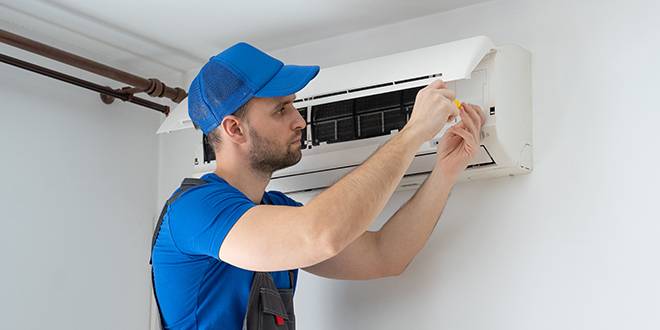
The first and most important step in preparing your home for winter is scheduling a professional HVAC tune-up. A certified technician will conduct a comprehensive inspection of your system to identify and address any potential issues before they escalate into costly repairs or breakdowns. During the tune-up, they will:
- Inspect the Heat Exchanger: Checking for cracks or damage that could lead to carbon monoxide leaks.
- Test the Thermostat: Ensuring your thermostat is calibrated correctly to maintain your desired temperature settings.
- Check Electrical Connections: Tightening and inspecting connections to prevent electrical failures.
- Lubricate Moving Parts: Reducing friction to ensure smooth operation and prevent wear and tear.
Regular maintenance can also improve your system’s efficiency, reduce energy consumption, and extend the lifespan of your unit. If you haven’t scheduled your HVAC tune-up yet, contact C&S Air today to ensure your system is ready for the cold months ahead.
2. Replace or Clean Air Filters
Replacing or cleaning your HVAC system’s air filters is a simple yet essential step in maintaining optimal performance and indoor air quality. Dirty or clogged filters can restrict airflow, causing your system to work harder to circulate warm air. This not only reduces efficiency but can also lead to increased energy bills and potential damage to your HVAC system.
How Often Should You Replace Filters?
- Standard Filters: Replace every 1-3 months, depending on usage and indoor air quality.
- High-Efficiency Filters: These may last up to 6 months, but it’s best to check them regularly.
How to Replace Filters:
- Turn off your HVAC system.
- Locate the filter compartment, typically found near the air handler or furnace.
- Remove the old filter and replace it with a new one, ensuring the arrows on the filter frame point in the direction of airflow.
- Close the compartment and turn your system back on.
For more guidance on maintaining your HVAC system and to explore our range of heating services, visit our residential heating page.
3. Check Your Thermostat Settings
Ensuring your thermostat is set correctly can have a significant impact on your comfort and energy bills during the winter months. Many homeowners overlook this simple yet effective step, which can lead to unnecessary energy consumption and increased heating costs.
Tips for Optimizing Your Thermostat Settings:
- Lower the Temperature at Night: Set your thermostat to a lower temperature while you sleep to save on heating costs. According to the Department of Energy, lowering the thermostat by 7-10°F for 8 hours a day can save up to 10% a year on heating and cooling.
- Use a Programmable Thermostat: If you have a traditional thermostat, consider upgrading to a programmable or smart thermostat. This allows you to create custom schedules and adjust temperatures remotely, ensuring your home is warm when you need it without wasting energy.
- Maintain a Consistent Temperature: Avoid drastic changes in temperature settings, as this can strain your HVAC system and increase energy usage.
For professional thermostat installation and other heating solutions, explore our heating installation services.

4. Inspect and Clean Vents and Ducts
Clean and unobstructed vents and ducts are crucial for the efficient operation of your heating system. Dust, debris, and even small objects can accumulate in your ductwork over time, reducing airflow and forcing your system to work harder to maintain the desired temperature. This not only impacts the efficiency of your HVAC system but can also lead to uneven heating throughout your home.
Steps for Cleaning and Inspecting Vents:
- Remove and Clean Vent Covers: Use a screwdriver to remove vent covers and clean them with warm, soapy water. Allow them to dry completely before reinstalling.
- Vacuum Inside the Ducts: Use a vacuum with a hose attachment to remove any visible dust and debris from inside the ducts. Be cautious not to damage any internal components.
- Check for Obstructions: Make sure there are no furniture or objects blocking the vents, which can restrict airflow.
If you notice a significant buildup of dust or experience poor indoor air quality, it may be time for a professional duct cleaning service. Regular maintenance can prevent issues like uneven heating, poor airflow, and high energy bills. For more information or to schedule a duct inspection, visit our residential heating services page.
5. Test Carbon Monoxide and Smoke Detectors
Ensuring your carbon monoxide (CO) and smoke detectors are functioning properly is crucial for the safety of your home, especially during the winter months when your heating system is running frequently. A malfunctioning furnace or a clogged vent can lead to carbon monoxide buildup, which is both odorless and dangerous. Working smoke detectors are equally important to alert you in case of a fire or malfunction in your heating system.
How to Test and Maintain Your Detectors:
- Test the Alarms: Press the test button on each detector to ensure the alarm sounds. If it doesn’t, replace the batteries or the unit itself if it’s outdated.
- Replace Batteries Regularly: It’s recommended to replace the batteries in your detectors at least once a year. A good rule of thumb is to change them when you adjust your clocks for daylight saving time.
- Check the Expiration Date: Most carbon monoxide and smoke detectors have a lifespan of 7-10 years. Check the manufacturer’s date on the back of the unit and replace it if it’s past its expiration.
For any concerns regarding your heating system’s safety or to schedule a professional inspection, reach out to C&S Air. We offer comprehensive heating repair services to ensure your system operates safely and efficiently.
6. Seal Air Leaks in Your Home
Air leaks around your home can lead to significant heat loss, causing your HVAC system to work harder and increasing your energy bills. Sealing these leaks helps maintain a consistent indoor temperature, improves energy efficiency, and reduces the strain on your heating system.
Common Areas to Check for Air Leaks:
- Windows and Doors: Inspect for gaps around frames and sills. Use weatherstripping or caulking to seal any visible cracks.
- Attic and Basement: Check for leaks around pipes, vents, and electrical outlets. Apply foam insulation or caulking to seal gaps.
- Exterior Walls: Look for cracks or gaps where utilities enter your home. Seal these with appropriate materials like caulk or expanding foam.
DIY Tips for Detecting Air Leaks:
- Visual Inspection: Check for visible cracks and gaps around your home’s exterior and interior.
- Candle Test: Hold a lit candle near windows, doors, and other areas where leaks are suspected. If the flame flickers, it indicates an air leak.
- Use Weatherstripping and Caulking: Apply weatherstripping to door frames and caulk to window frames to prevent drafts.
Taking the time to seal these leaks will not only keep your home warmer but also help you save on heating costs. For more comprehensive solutions and expert advice on improving your home’s energy efficiency, visit our heating services page.
Conclusion
Proper HVAC maintenance is essential for keeping your Mansfield, TX home comfortable and energy-efficient during the winter months. By scheduling a professional tune-up, regularly replacing air filters, checking your thermostat settings, cleaning vents, testing detectors, and sealing air leaks, you can ensure your system runs smoothly and safely.
Proactive maintenance not only helps prevent unexpected breakdowns but also improves your system’s efficiency, reducing your overall energy costs. At C&S Air, we’re here to help you prepare your home for winter with our range of residential heating services tailored to meet your needs.
Ready to get your HVAC system winter-ready? Contact us today to schedule a professional tune-up and enjoy peace of mind all season long.